Motor Testing Explained A Guide for Troubleshooting
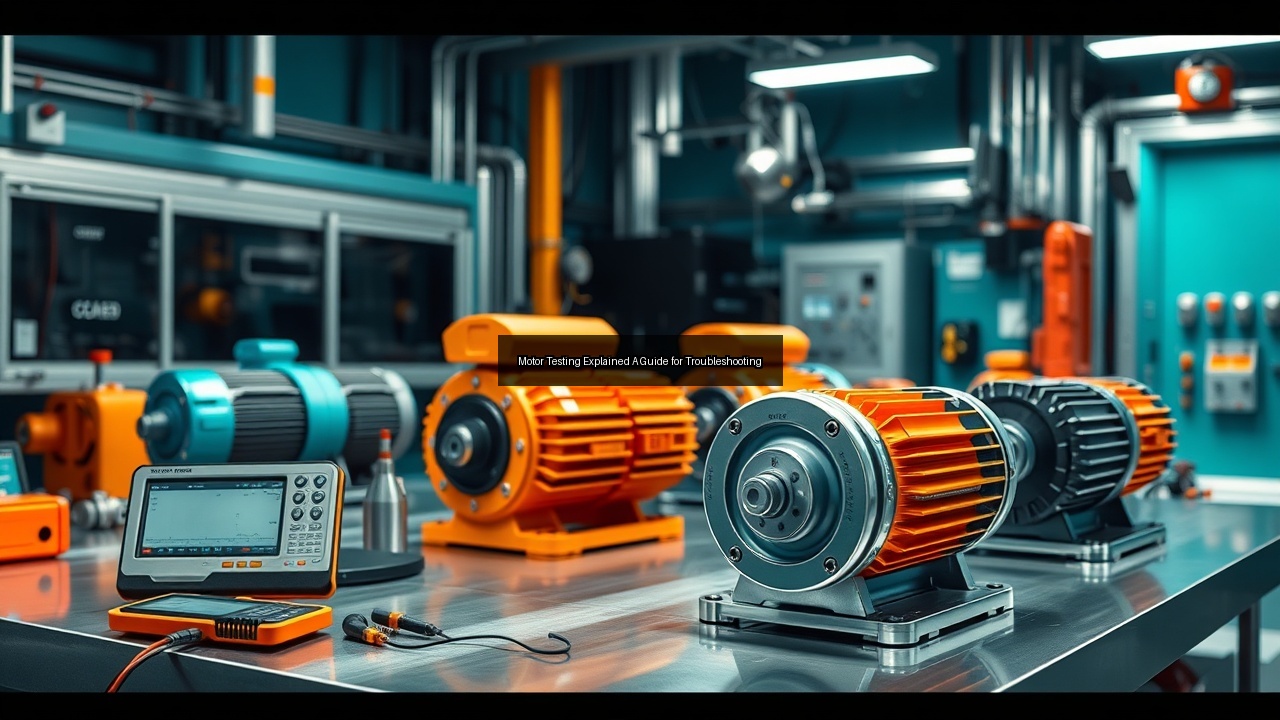
Understanding Motor Testing Fundamentals
The Role of Electric Motors in Industry
Electric motors serve as the backbone of countless industrial applications. They convert electrical energy into mechanical energy, powering everything from conveyor belts to pumps. In manufacturing, electric motors drive production lines, ensuring efficiency and productivity. The reliability of these motors directly impacts operational costs and downtime. Therefore, effective motor testing becomes crucial for maintaining performance and prolonging the lifespan of these essential components. Regular assessments of electric motors help identify potential issues before they escalate into costly failures. Understanding the importance of motor testing leads to informed maintenance strategies and enhanced system reliability.
Key Components: Coils and Windings
Coils and windings are vital components in the design of electric motors. They create magnetic fields when an electric current flows through them. The configuration of these coils directly influences the motor's performance characteristics, such as speed and torque. Understanding the relationship between the number of turns in the windings and the generated magnetic field strength is essential for effective motor testing. motor diagnostics For instance, a motor with an inadequate number of windings might not produce sufficient torque, leading to performance issues. Evaluating the integrity of the coils through resistance measurements ensures optimal functionality and helps in troubleshooting potential problems.
Basic Principles of Voltage and Amps Measurement
Voltage and amperage are fundamental measurements in motor testing. Voltage indicates the electrical potential supplied to the motor, while amps measure the current flowing through the system. Understanding these parameters helps in evaluating motor performance. An electric motor operating at the correct voltage and amperage will function efficiently, thereby minimizing energy waste. During testing, technicians often use multimeters to assess voltage levels and current draw. Significant deviations from expected values may signal underlying problems such as winding failures or issues with the power supply. Regular monitoring of these metrics aids in proactive maintenance and enhances overall motor reliability.
Essential Motor Testing Techniques
Resistance and Its Importance in Motor Evaluation
Resistance testing plays a critical role in evaluating motor health. It helps identify issues such as short circuits or open windings, which can lead to motor failure. Technicians often measure the resistance of the windings using an ohmmeter. A reading outside the specified range indicates potential problems that require immediate attention. For instance, high resistance may suggest insulation degradation, while low resistance can point to shorted turns within the coils. Regular resistance testing allows for early detection of issues, ultimately minimizing downtime and repair costs. Incorporating resistance checks into routine maintenance schedules ensures electric motors operate efficiently and reliably.
Temperature Monitoring: Ensuring Motor Longevity
Temperature monitoring is vital for maintaining the longevity of electric motors. Excessive heat can lead to insulation breakdown, drastically reducing the motor's lifespan. motor analysis Implementing thermal sensors or infrared cameras during motor testing helps technicians observe temperature variations in real-time. Identifying areas of overheating allows for timely intervention, such as improving ventilation or adjusting operational parameters. Additionally, understanding the optimal temperature range for specific motor designs fosters a proactive approach to maintenance. By regularly assessing temperature conditions, facilities can implement predictive maintenance strategies that prevent unexpected failures and extend the operational life of their motors.
Hipot Testing for Insulation Integrity
Hipot testing, or high potential testing, assesses the insulation integrity of electric motors, ensuring safety and functionality. This technique applies a high voltage between the windings and ground, checking for insulation breakdown. A successful hipot test indicates that the insulation can withstand operational voltages without risk of failure. Failure during this test can signify potential hazards, including electrical shorts or motor fires. Regular hipot testing forms a crucial part of a comprehensive motor testing program, particularly for motors operating in harsh environments. By prioritizing insulation integrity, organizations can prevent catastrophic failures and maintain a safe working environment.
Advanced Troubleshooting Methods
Analyzing Vibration and Eccentricity
Vibration analysis serves as a powerful tool for motor troubleshooting. Electric motors experience vibrations during operation, and excessive vibrations can indicate fundamental issues such as misalignment or imbalance. Technicians use accelerometers to measure vibration levels and frequency patterns, allowing for detailed analysis of motor behavior. Eccentricity, or the misalignment of the rotor within the stator, often contributes to increased vibrations. Identifying these issues early through vibration analysis helps avoid more significant problems down the line, such as bearing failures or motor burnout. By incorporating vibration monitoring into regular motor testing routines, facilities can optimize performance and minimize downtime.
Harmonic Analysis: Identifying Electrical Issues
Harmonic analysis focuses on identifying electrical issues within the motor system. Non-linear loads can introduce harmonics into the power supply, affecting motor performance and efficiency. Analyzing these harmonics helps technicians pinpoint problems such as overheating, reduced torque, and increased losses. Tools like power quality analyzers can measure total harmonic distortion (THD) and provide insights into the electrical environment surrounding the motor. Addressing harmonic distortion through filtering or phase balancing can significantly enhance the operational efficiency of electric motors. Proactive harmonic analysis contributes to effective predictive maintenance strategies and ensures optimal motor performance.
Predictive Maintenance and Data Analysis Techniques
Predictive maintenance leverages data analysis techniques to forecast potential motor failures before they occur. By collecting and analyzing data from various tests, technicians can identify trends and patterns that signal impending issues. Techniques such as machine learning and statistical modeling play significant roles in this process. Real-time monitoring systems equipped with sensors can continuously assess motor performance metrics, feeding data into analytical software for ongoing evaluation. This approach allows organizations to shift from reactive maintenance to proactive strategies, minimizing downtime and maximizing operational efficiency. Embracing predictive maintenance transforms motor testing into a strategic advantage for businesses.
Implementing Effective Motor Testing Services
Choosing the Right Motor Test Equipment
Selecting appropriate motor test equipment is crucial for effective evaluations. Various tools, including multimeters, oscilloscopes, and thermal imaging cameras, provide essential insights into motor performance. Each piece of equipment serves a specific purpose, from measuring voltage and current to assessing temperature and insulation integrity. Technicians should consider the specific needs of their electric motors when choosing testing tools. Investing in high-quality equipment ensures accurate results and enhances troubleshooting capabilities. Additionally, regular calibration and maintenance of testing tools guarantee reliable outcomes, enabling technicians to provide customers with thorough evaluations and actionable recommendations.
Interpreting Test Results for Customer Feedback
Effective communication of test results is key to customer satisfaction. Technicians must be capable of translating complex data into understandable insights for customers. This process involves not only presenting raw data but also providing context and recommendations based on the findings. For example, if a motor exhibits high resistance, technicians should explain the implications of this condition and suggest appropriate actions. Clear communication fosters trust and reinforces the value of motor testing services. By equipping customers with actionable insights, technicians empower them to make informed decisions about maintenance and repairs, ultimately enhancing the longevity of their electric motors.
Integrating Software Solutions for Enhanced Testing
Incorporating software solutions into motor testing processes can significantly enhance efficiency and accuracy. Advanced software applications allow for streamlined data collection, analysis, and reporting. These solutions can automate routine tests, ensuring consistent results and reducing human error. Furthermore, software can integrate data from multiple testing tools, providing a comprehensive overview of motor health. By leveraging these technologies, organizations can improve their testing protocols, enabling faster troubleshooting and more effective maintenance strategies. Enhanced reporting features also support informed decision-making, ensuring that customers receive detailed insights into the condition of their electric motors.